

Explore Our Services
Take a look at our range of services designed to help you move forward with confidence!
Residential Home Inspections
SOME OF THE THINGS WE INSPECT DURING YOUR HOME INSPECTION…
Condo, Townhouse, Single Family, Multi Family, New Construction
Roof and Chimney (Aerial Drone Photography - Flight Condition and Weather Permitting)
Skylights and other Roof Penetrations
Vents, Flashing, and Trim
Gutters and Downspouts
Decks, Stoops, Porches, Walkways, and Railings
Eves, Soffit, and Facia
Grading and Drainage
Structural Items
Basement, Foundation and Crawl Space
Water Penetration
Heating System (HVAC)
Cooling System (HVAC)
Main Water and Gas Shut Off Valve
Water Heating System
Interior Plumbing, Fixtures, and Faucets
Drainage, Sump Pumps with accessible floats
Electrical Service Line and Meter Box
Main Disconnect and Service Amperage
Electrical Panel
GFCI’s
Fireplace, Damper Door, and Hearth
Kitchens and Bathrooms
Doors and Windows
Insulation and Ventilation
Garage
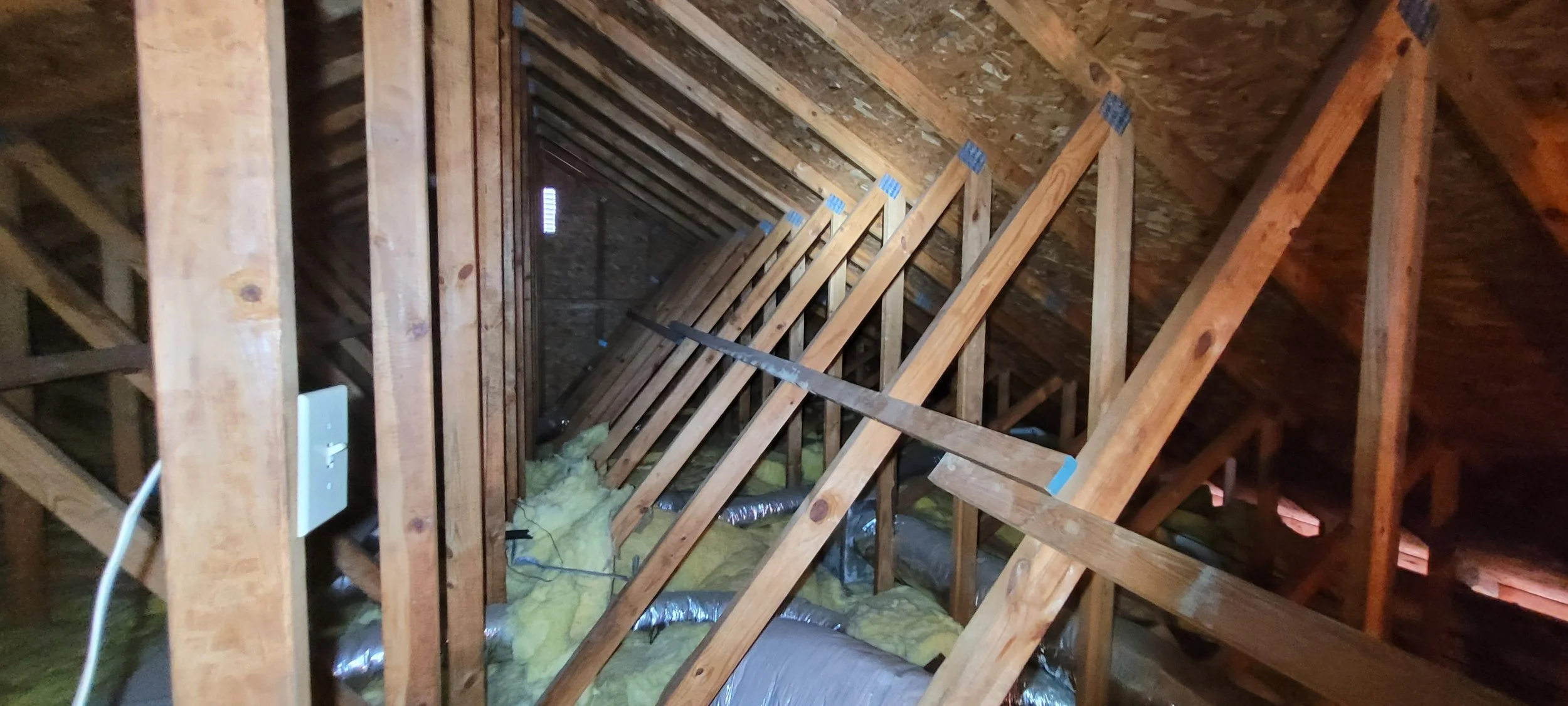
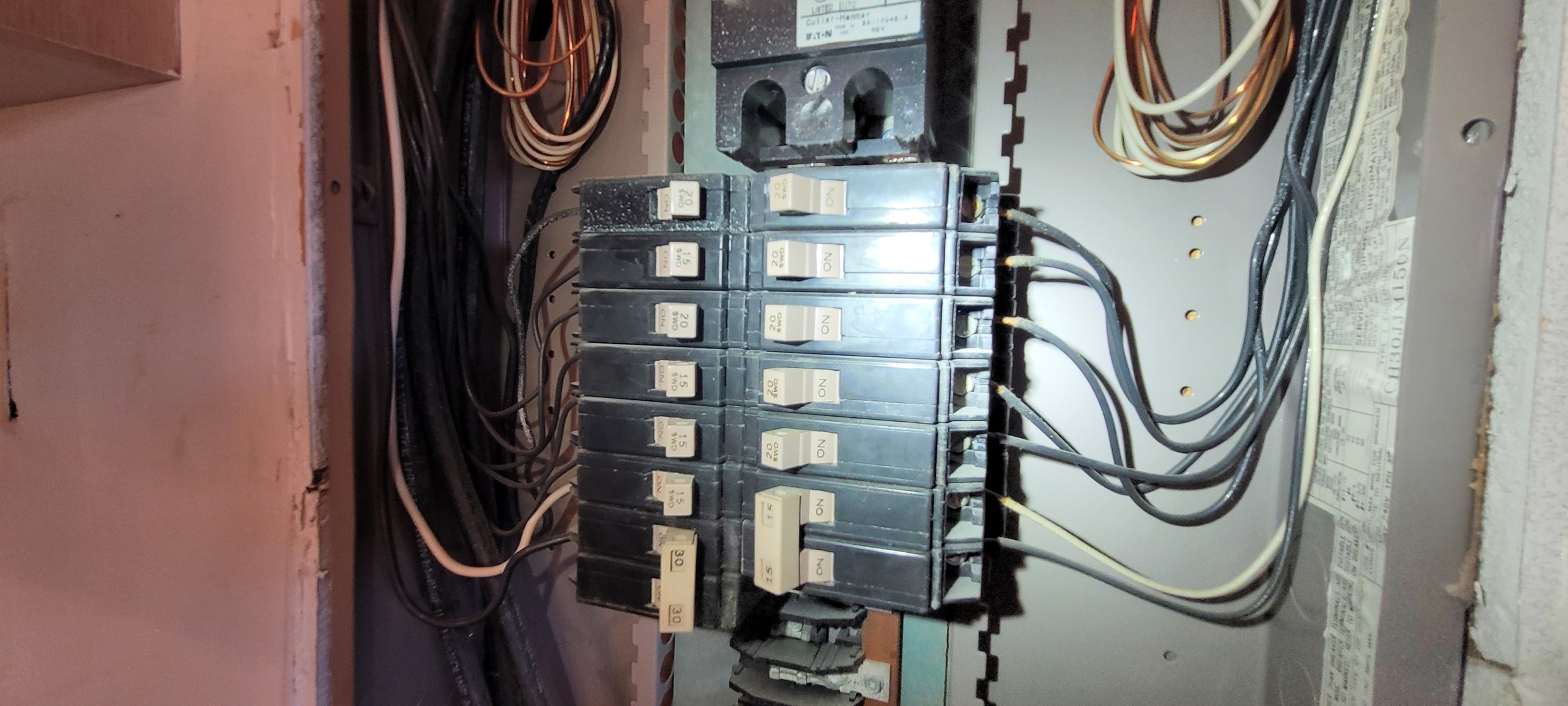
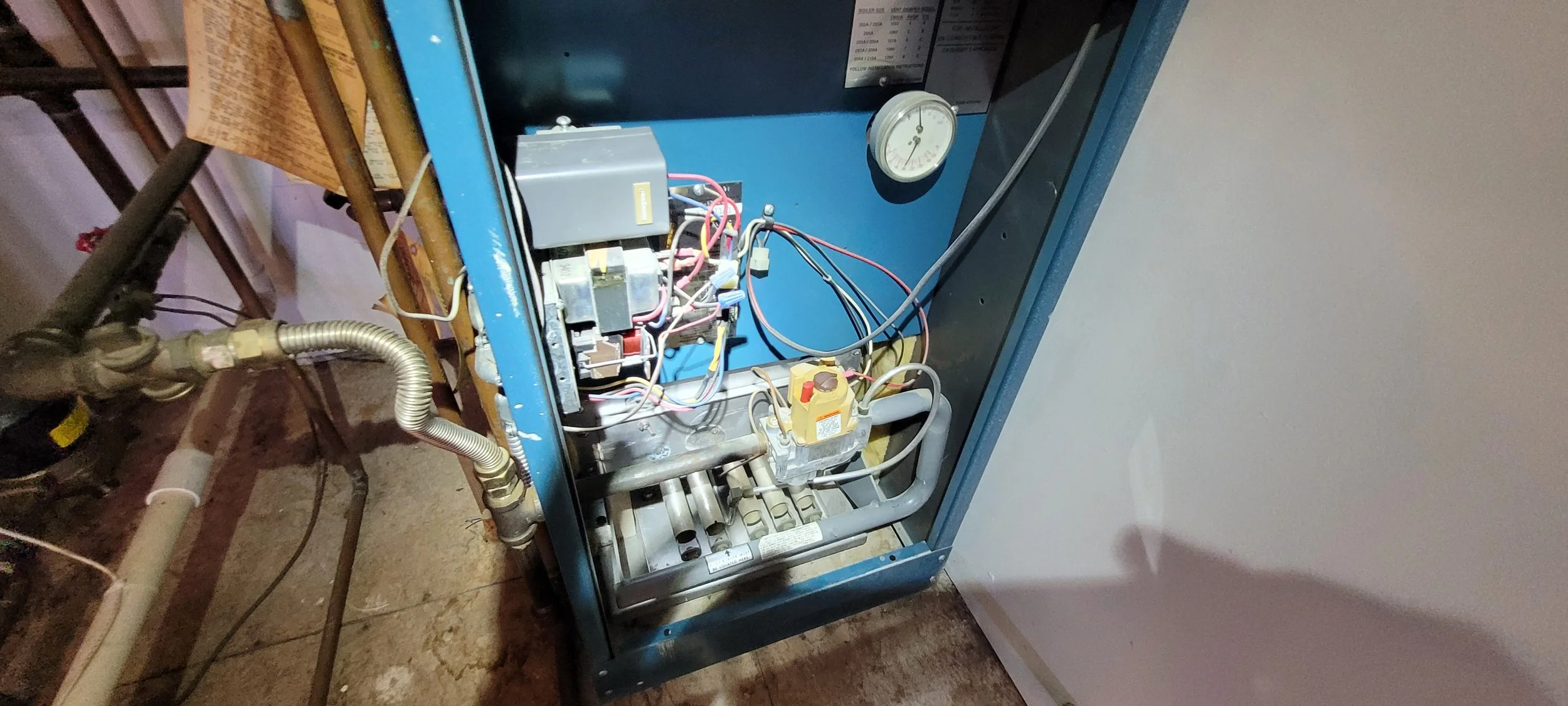
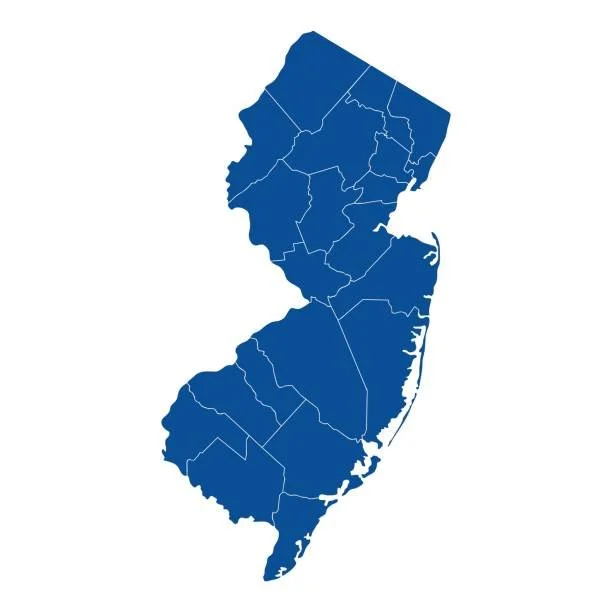
Inspections are performed in accordance with New Jersey's standards as described in NJAC 13:40-15.16, which you may read in full here (Click the NJ Map):
Radon Testing
Single Family, Multi Family, Large Building and Schools
What Is Radon?
Radon is a naturally occurring, odorless, colorless radioactive gas produced by the decay of uranium in soil, rock, and water. It can enter homes through foundation cracks, gaps, sump pits, and other openings. Long-term exposure to elevated radon levels is the second-leading cause of lung cancer after smoking. The U.S. Environmental Protection Agency has estimated that 20,000 lung cancer deaths per year are caused by radon.
Why test for Radon?
Invisible hazard: Radon has no smell, taste, or visual warning signs.
Health risk: The U.S. Surgeon General and EPA advise testing because prolonged exposure increases lung cancer risk.
Variability: Because no two homes are the same, radon levels vary widely between neighboring homes and across seasons. The only reliable way to know your home’s level is to test.
How do you test for Radon?
A testing device called a Continuous Radon Monitor will be deployed at the home for a minimum of 48 hours. This device takes sample readings every hour and currently is one of the most accurate field testing devices used. Shortly after pick up, a certified lab report with results and recommendations will be emailed to the client (usually within an hour or two).
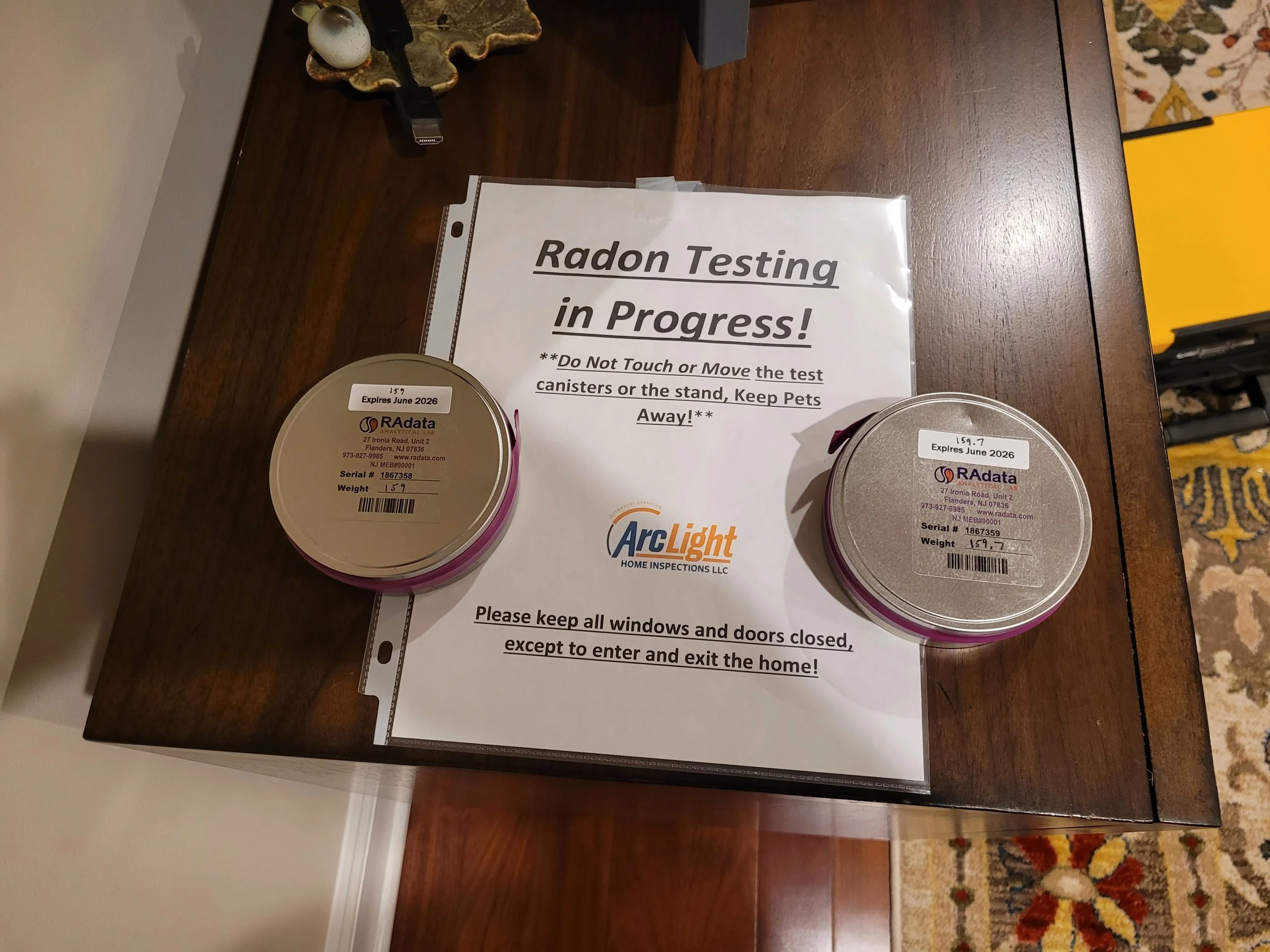
If an outlet or power source is not available in the area tested, more traditional testing methods like Charcoal Canisters or Charcoal Liquid Scintillation devices will be utilized. After pick up these devices will be mailed out to a certified lab for testing and a report with results will be generated (usually within a day or two depending on factors like shipping method, lab hours and analysis time)
When to test for Radon?
During real estate transactions: Sellers and buyers commonly test as part of inspections and negotiations.
After renovations or additions: Changes to the foundation, HVAC, or basement can alter radon entry and accumulation.
If you’ve never tested.
Re-test every 2–5 years or sooner if structural or mechanical changes were made to the home.
Click Here to visit the EPA website for more information on Radon
Sewer Scope
What Is a Sewer Scope?
A Sewer Scope or Sewer Line Inspection is a video inspection using a specialized waterproof camera entered through an accessible cleanout in the home and pushed through the lateral sewer line to the city or HOA tap.
Why is a Sewer Scope Important?
It provides real-time footage and still images that reveal blockages, defects, and potential failure points that are not visible during a standard home inspection.The scope typically also identifies the material used within the sewer line itself. Afterwards a report with any findings and recommendations will be provided to the client.
When to perform a Sewer Scope?
Purchasing a home, especially older properties or those with mature trees close to sewer lines.
Repeated or slow drains, frequent clogs, or backups.
Homes with older pipe materials like cast iron or clay.
Before major landscaping or construction that could disturb the lateral waste line.
If a sewer odor is present around the yard or basement.
Oil Tank Sweep
What is an Oil Tank Sweep?
An Oil Tank Sweep is a non-invasive inspection of a property (usually built before the 1980’s) to locate hidden underground storage tanks (USTs) that may still hold heating oil.
Why perform an Oil Tank Sweep?
Environmental Protection: Abandoned tanks corrode over time, potentially leaking oil into the soil and groundwater, causing an environmental hazard.
Liability Reduction: Buyers conduct sweeps as part of due diligence to avoid inheriting the financial responsibility for removing a leaking tank and remediating the soil.
Property Value: Undisclosed tanks can reduce property value and complicate a transaction when selling the home in the future.
How is an Oil Tank Sweep performed?
Using a metal detector, inspectors scan the grounds and visually look for exterior/interior indicators that an oil tank may have been or still may be present on the property.
When to get an Oil Tank Sweep?
During real estate transaction home inspection contingency period, prior to closing.
Drone
Roof Inspection
What Is a Drone Roof Insepction?
A drone roof inspection utilizes unmanned aerial vehicles equipped with high-resolution cameras to safely capture detailed imagery of a roof's condition. This method eliminates the safety risks of climbing ladders and walking on roofs while providing precise data for damage assessment. This inspection is performed by an FAA Certified, UAS Part 107 Licensed Pilot.
Why perform a Drone Roof Inspection?
Crucial for assessing the roof’s overall condition or damage suffered over time.
Drones remove the need for inspectors to climb ladders or walk on steep, slippery, or fragile roof surfaces, thereby eliminating a fall risk.
Drones can safely inspect damaged areas and steep pitches that are otherwise inaccessible.
When to perform a Drone Roof Inspection?
During a home inspection.
After severe weather to check for damage
As part of a yearly maintenance plan to evaluate the overall condition and check for damage.
WDO/Termite Inspection, Lead Based Paint Testing and Mold/Air Quality Testing Available - Call Today for more information!
Let’s Work Together!
If you're interested in our home inspection services, complete the form with a few details about the property you want inspected. We'll review your message and get back to shortly with a quote.